Small dog vet costs can be surprisingly high due to breed-specific issues like dental disease ($300-$3,000), luxating patella ($1,500-$3,000/knee), and fragile bones. Beyond routine care ($400-$1,000 annually), emergencies exceed $800. Pet insurance, wellness plans, and proactive preventative care are crucial for managing these expenses effectively.
- Small dog vet costs are often significant due to breed-specific predispositions like dental disease, luxating patella, and fragile bones.
- Common procedures like dental cleanings ($300-$3,000) and luxating patella surgery ($1,500-$3,000) are major expenses.
- Routine annual care typically costs $400-$1,000, with emergencies ranging from $800-$5,000+.
- Pet insurance, vet wellness plans, and comprehensive preventative care are essential strategies for financial management.
Tiny Paws, Big Bills? The Real Cost of Small Dog Vet Care (And How to Save!)
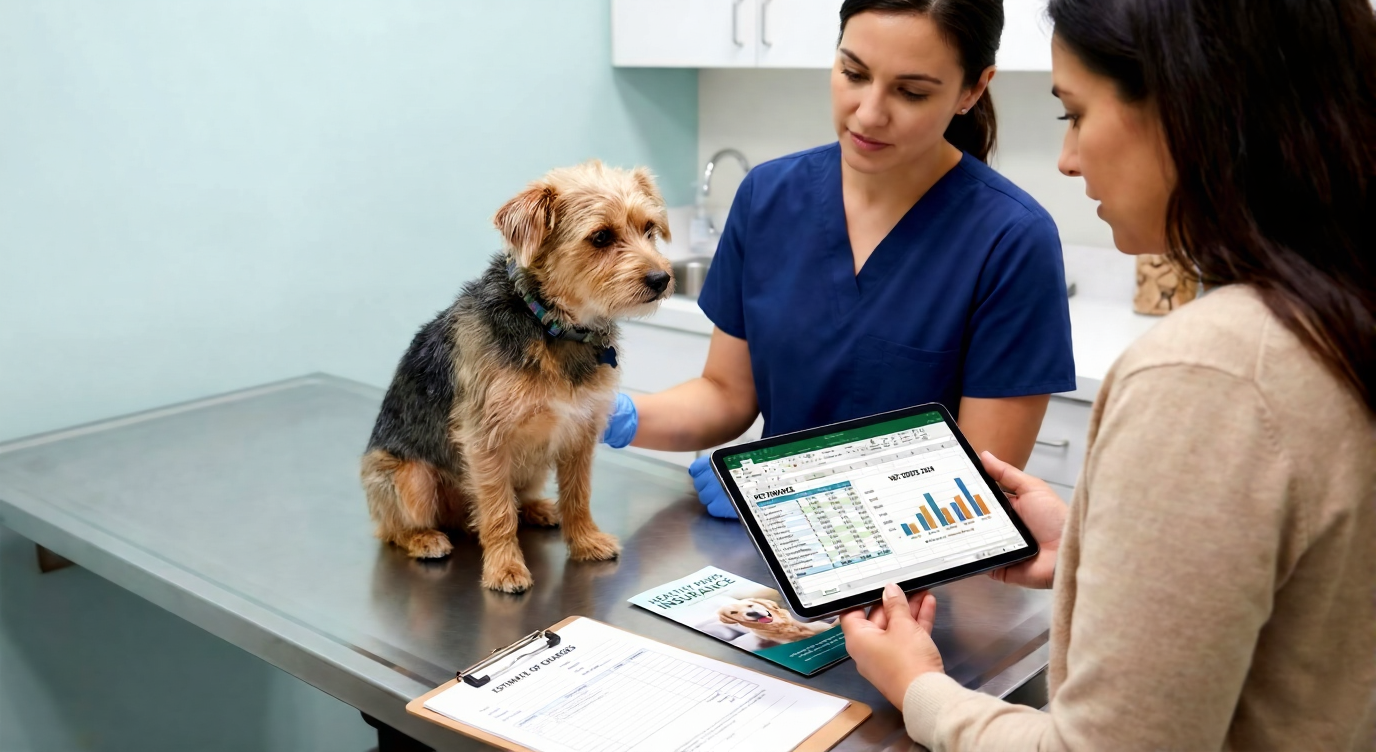
Your pint-sized companion — a spirited Chihuahua, a dashing Dachshund, or a playful Pomeranian — brings immense joy and love into your home. Their adorable antics and portable nature often make them seem like an 'easier' or less expensive pet to own. But here's a crucial truth many small dog owners learn the hard way: their tiny stature doesn't always translate to smaller vet bills (for more on this, read about the hidden costs of small dog ownership). In fact, due to specific health predispositions and a higher susceptibility to certain conditions, the economics of veterinary care for small dogs can be surprisingly significant.
At YourPetCost.com, we understand that providing the best for your beloved small dog includes being prepared for their health needs. This comprehensive guide will unpack the unique veterinary costs associated with small breeds, from routine check-ups to unexpected emergencies, and equip you with smart strategies to manage these expenses without compromising your furry friend's well-being.
Why Small Dogs Can Be Surprisingly Pricey: Breed-Specific Health Concerns
While all dogs can face health challenges, small dog vet costs are often driven by a few common issues specific to their size and genetics. Understanding these can help you anticipate and plan.
The Dental Disease Epidemic
If you own a small dog, you've likely heard your vet talk about dental health. It's not just a recommendation; it's a critical concern! Small breeds like Chihuahuas, Yorkies, Poodles, and Shih Tzus are notoriously prone to dental disease, often starting at a younger age than in larger dogs. Yorkie owners in particular should stay alert for silent health symptoms related to dental issues. Their smaller mouths can lead to overcrowding, which traps food particles and promotes plaque buildup, quickly escalating to gum disease and painful infections. Studies show that by age three, 80% of dogs exhibit signs of periodontal disease, with small breeds being particularly susceptible due to tooth overcrowding.
Regular professional dental cleanings, which typically include anesthesia and pre-surgical blood work, are often necessary. These can range from $300 to $800, with more complex procedures involving extractions reaching $1,000 to $3,000. Beyond professional care, establishing a daily home dental care routine – including brushing, dental chews, and regular vet checks – is your first line of defense against these potentially high costs. Check out our guide on how to slash small dog dental bills for actionable tips.
Orthopedic Issues: The Case of Luxating Patella
Many small dogs, including breeds like French Bulldogs, Poodles, and Boston Terriers, are predisposed to luxating patella, a condition where the kneecap slips out of place. This can range from a minor inconvenience to a severely painful issue requiring surgical intervention. A 2017 study published in the Journal of the American Veterinary Medical Association (JAVMA) found that luxating patella is one of the most common orthopedic conditions in small breed dogs, affecting breeds like Chihuahuas, Pomeranians, and Yorkshire Terriers significantly more often than large breeds. The cost for luxating patella surgery can be substantial, often falling between $1,500 to $3,000 per knee. Early diagnosis and management are crucial, as untreated cases can lead to arthritis and other complications.
Tracheal Collapse
A startling cough in a small dog can often be a symptom of tracheal collapse, a condition where the trachea (windpipe) weakens and flattens, making breathing difficult. Breeds like Pomeranians, Yorkies, and Shih Tzus are particularly susceptible. While some cases can be managed with medication and lifestyle adjustments (e.g., using a harness instead of a collar), severe cases may require costly surgery. Ongoing management can include specialized diets, cough suppressants, and anti-inflammatory medications.
Fragile Bones & Injury Risk
Their diminutive size, while endearing, also makes small dogs more susceptible to injuries. A simple fall from a couch or a playful jump can lead to a broken bone, especially in breeds with delicate bone structures. Such injuries almost always necessitate an emergency vet visit, which can easily cost between $800 and $2,500 for initial diagnostics and stabilization. Complex surgeries or overnight stays for fractures can quickly exceed $5,000. A recent survey by Consumer Reports indicated that average emergency vet visits for pet owners often exceed $800, with complex cases skyrocketing to over $5,000, underscoring the critical need for financial preparedness. Creating a safe home environment, free of high jumps and potential fall hazards, is key to preventing these costly incidents.
The Standard Operating Costs: Routine Care Budgeting
Beyond breed-specific ailments, there are standard costs every small dog owner should budget for. When considering the cost of owning a small dog, these routine expenses are your baseline. (For a detailed breakdown, see our analysis of small dog costs per year).
- Annual Wellness Exams: Essential for preventative health, these check-ups ensure your vet can catch issues early. Expect to pay anywhere from $400 to $1,000 annually for routine care, which often includes the exam fee.
- Vaccinations & Parasite Prevention: Yearly vaccinations (distemper, parvovirus, rabies, etc.) and ongoing flea, tick, and heartworm prevention medication are non-negotiable health investments.
- Spaying/Neutering: For puppies, this one-time procedure is a significant initial cost, typically covered within the higher $1,000 to $3,000 range for the first year of ownership, which also includes initial vaccinations and check-ups.
- Grooming: Many popular small breeds, such as Poodles, Shih Tzus, and Maltese, require regular professional grooming to prevent matting and maintain skin health. These costs vary but can add up over time.
- Food & Supplies: While a small dog eats less than a large one, investing in high-quality food appropriate for their size and specific needs is crucial for their overall health and longevity. Use our Small Dog Feeding Planner or check out The Tiny Tummy Diet: 7 Vet-Approved Foods. If you have a specific breed like a Poodle, see our Toy Poodle Food Options Guide. Don't skimp on quality to save a few dollars, as good nutrition is foundational preventative care.
- Training: Behavioral training is key to preventing accidents and ensuring safety. Learn effective small dog training tips and understand why scolding small dogs during potty training can be counterproductive.
Navigating the Unexpected: Emergency & Chronic Care
No one wants to think about their pet getting sick or injured, but preparing for the unexpected is a hallmark of responsible pet ownership.
Understanding Emergency Vet Bills
An emergency veterinary visit can be a sudden and significant financial strain. Whether it's for an ingestion of something toxic, a sudden illness, or an injury, expect initial costs for diagnostics (X-rays, blood work) and stabilization to range from $800 to $2,500. As mentioned, complex surgeries or overnight hospitalization can push bills beyond $5,000.
Chronic Conditions
Just like humans, small dogs can develop long-term illnesses such as diabetes, allergies, or heart conditions. Managing these often involves ongoing medication, specialized diets, and frequent vet visits, which can accumulate substantial costs over their lifetime. Staying organized with a Small Dog Health Tracker can help you stay on top of medications and appointments.
End-of-Life Care
While a difficult topic, it's wise to be aware of the costs associated with humane euthanasia and aftercare options like cremation or burial, should that time come.
Smart Strategies to Save Money Without Compromising Care
The good news is that being prepared doesn't mean breaking the bank. There are several smart strategies for financial planning for small dog owners that can help you provide the best care. For a comprehensive roadmap, consider grabbing our Small Dog Financial Survival Guide.
Pet Insurance: A Safety Net for Your Small Dog
The rising cost of veterinary care makes pet insurance an increasingly popular option, especially for breeds prone to specific conditions. Pet insurance for small dogs can be a game-changer for managing unpredictable costs.
- How it works: You pay a monthly premium (averaging $30 to $60 for dogs), and in return, the insurance company reimburses a percentage of your eligible vet bills after you've met your deductible. According to the North American Pet Health Insurance Association (NAPHIA), pet insurance premiums for dogs in the U.S. averaged $53.34 per month for accident and illness policies in 2022.
- Is it worth it? For small dogs with their propensity for dental issues, luxating patella, and fragility, pet insurance can be a wise investment, turning potentially crippling bills into manageable costs.
- Comparing providers: Research different plans and providers, paying close attention to deductibles, reimbursement percentages, annual limits, and whether they cover conditions common in your small dog's breed.
Wellness Plans & Preventative Packages
Many veterinary clinics offer wellness plans or preventative care packages. These often bundle routine services like annual exams, vaccinations, and sometimes even dental cleanings at a discounted monthly or annual rate. It's an excellent way to make affordable vet care for small breeds more accessible and ensure your dog gets consistent preventative attention.
Preventative Care is Key
An ounce of prevention is worth a pound of cure, and nowhere is this more true than in pet care.
- Diet and Exercise: Maintaining a healthy weight through appropriate diet and regular, controlled exercise can prevent many health issues, from orthopedic stress to metabolic diseases. Incorporate small dog enrichment ideas to keep their minds and bodies active.
- Home Dental Care: Daily tooth brushing can significantly reduce the frequency and cost of professional dental cleanings.
- Seasonal Care: Small dogs are particularly sensitive to cold. Review our guide on small dog winter care to keep them safe during freezing months.
- Regular Check-ups: Don't skip annual vet visits. They are crucial for early detection of potential problems, which can be treated more effectively and often at a lower cost.
Financial Assistance Programs & Payment Plans
If you're facing a large, unexpected vet bill, don't hesitate to talk to your vet about payment options. Many clinics offer payment plans. Additionally, there are charitable organizations and foundations that provide financial aid for pet owners in need.
Budgeting & Emergency Funds
Consider setting up a dedicated savings account for your small dog's care. Even putting away a small amount each month can build a valuable emergency fund for unexpected illnesses or injuries, giving you peace of mind.
Investing in Your Small Dog's Health & Happiness
Owning a small dog is a unique and rewarding experience. While their adorable size might lead to misconceptions about their care costs, we've seen that small dog vet costs require careful financial planning for their unique health needs. From managing common dental and orthopedic issues to preparing for unforeseen emergencies, being informed and proactive is your best strategy.
With smart planning, preventative care, and perhaps a little help from pet insurance, you can confidently provide your tiny companion with the long, happy, and healthy life they deserve.
What are your experiences with the cost of owning a small dog? Have you found a great way to save on vet bills or a pet insurance plan that works wonders? Share your insights in the comments below!
For more resources, check out our Small Dog Financial Survival Guide ebook or compare pet insurance quotes tailored to your small dog's needs at YourPetCost.com.