The Small Dog Dental Dilemma: How to Prevent $1,000+ Vet Bills with 5 At-Home Secrets
Quick Takeaway: Reducing Small Dog Dental Costs
You can slash your small dog's dental bills by up to 70% by preventing the need for complex extractions. The strategy requires a three-pronged approach:
- Mechanical Cleaning: Daily brushing with enzymatic toothpaste.
- Biological Support: Using VOHC-approved chews and supporting the gut-oral microbiome.
- Financial Planning: Leveraging wellness plans for routine annual cleanings.
Note: Professional cleanings are still necessary, but at-home care prevents them from becoming $2,000 surgeries.
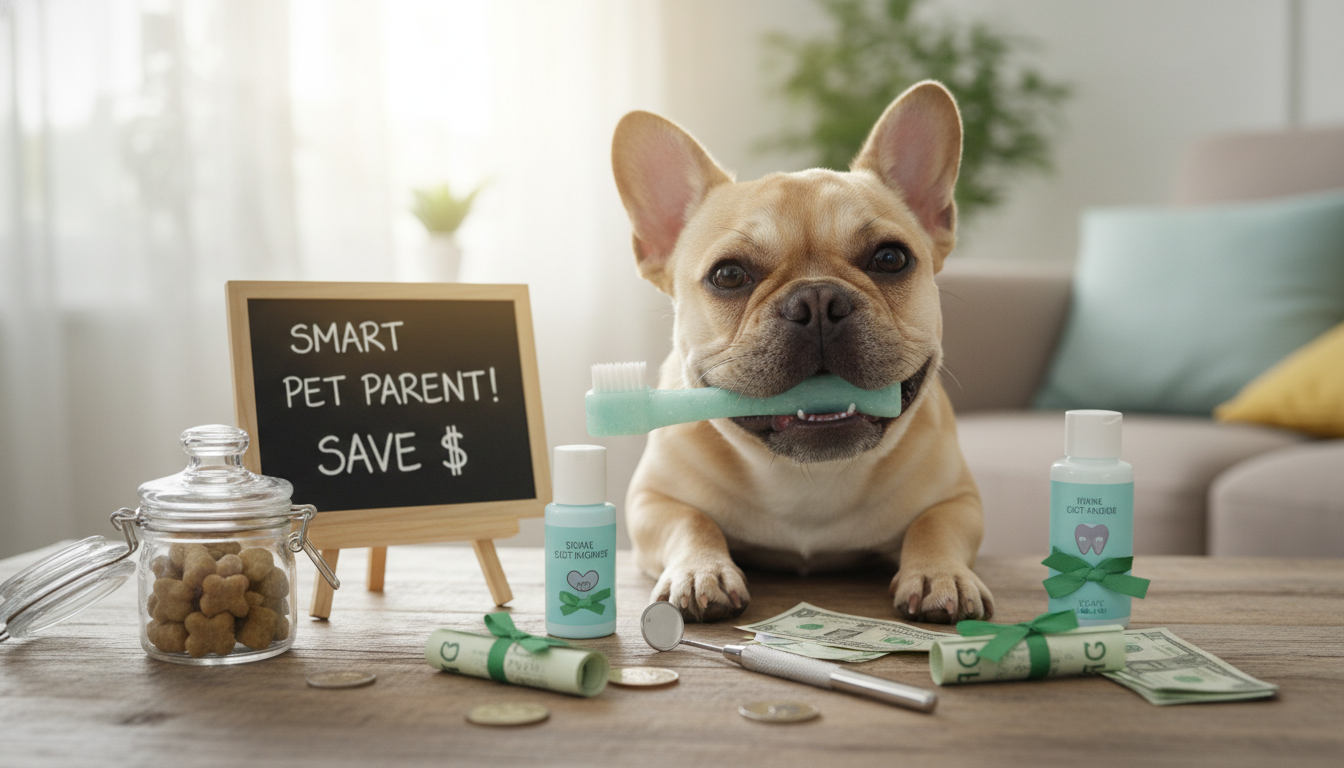
That adorable "dog breath" might seem like a quirky trait of your Chihuahua or Yorkie, but it is often the smoke signal for a financial fire. For small breed owners, dental health isn't just a hygiene issue—it's a significant hidden cost of ownership.
With professional cleanings ranging from $200 to over $800 (and extractions costing $100-$500 per tooth), ignoring oral health is the most expensive mistake a small dog owner can make. To understand how these expenses fit into your overall budget, it is worth reviewing a breakdown of small dog costs per year. Here is how to protect your pup and your wallet.
1. Why Small Dogs Are "Dental Disaster" Magnets
It is estimated that nearly 80% of dogs over three years old suffer from periodontal disease. However, extra-small breeds (under 14.3 lbs) are up to five times more likely to be diagnosed than their larger counterparts. Why?
The Anatomy of the Problem
Small dogs suffer from "dental overcrowding." They often have the same number of teeth (42) as a German Shepherd, but packed into a tiny jaw. This creates tight crevices where food gets trapped and plaque bacteria thrive.
Recent studies indicate this isn't just about jaw size. Specific small breeds carry gene variations in inflammatory pathways. This means their immune system reacts more aggressively to plaque, causing gums to recede and bone to dissolve faster than in large breeds. This genetic predisposition means you cannot "wait and see"—you must act proactively. Maintaining a daily log in a small dog health tracker can help you spot early gum redness before it becomes a crisis.
The Hidden Danger: Jaw Fractures
In tiny breeds, the roots of the teeth occupy a significant portion of the jaw structure. When advanced periodontal disease eats away the bone, the jaw itself becomes fragile. This leads to a terrifying and expensive complication specific to small dogs: Pathologic Jaw Fracture. Preventing this alone is worth the effort of daily care.
2. The Gold Standard: Daily Brushing (Don't Skip This!)
Daily brushing is the only way to disrupt the biofilm (plaque) before it calcifies into tartar (calculus). Once it hardens—usually within 24 to 48 hours—no amount of brushing will remove it; only a vet can.
How to Make it Stick:
- Tools: Use a finger brush or a pediatric soft-bristle brush.
- Paste: Use an enzymatic dog toothpaste (Poultry or Beef flavor). WARNING: Never use human toothpaste; Xylitol and fluoride are toxic to dogs.
- Technique: Focus on the outside of the teeth where the cheek touches the gum. This is where 90% of tartar accumulates in small dogs.
Patience is key here. Just as you wouldn't expect instant results when teaching a new trick, getting a dog used to brushing takes time. Review our small dog training tips for cooperative care methods. And remember, never punish fear—much like scolding during potty training, negative reinforcement during brushing will only make your dog resistant and fearful.
3. Beyond the Brush: 4 Advanced Secrets to Slash Bills
If you want to avoid the $2,000 specialist bills, you need a multi-layered defense.
Secret #1: The VOHC Seal is Mandatory
Do not buy generic chews. Look for the Veterinary Oral Health Council (VOHC) seal of acceptance. These products have data proving they reduce plaque and tartar by at least 10%. Plus, finding the right chew can serve as a great activity—check out our other small dog enrichment ideas for more ways to keep them occupied.
Secret #2: The Gut-Oral Axis
Emerging research suggests a link between gut health and oral health (the "gut-oral axis"). Dysbiosis (imbalance) in the gut can influence oral bacteria. Consider adding a vet-approved probiotic to your dog's diet to support a healthy immune response to oral bacteria.
Secret #3: Water Additives & Dental Diets
Therapeutic diets (like Hill's t/d or Royal Canin Dental) use a specialized fiber matrix that scrubs the tooth as the dog bites down. You can check our guide on vet-approved foods small dogs need to thrive for more dietary insights. When switching foods, use a small dog feeding planner to ensure you aren't adding excess calories.
4. Financial Strategy: Managing the Professional Cleaning
Even with perfect brushing, small dogs usually need professional cleaning (scaling and polishing) under anesthesia. The goal is to make these visits routine maintenance (cheap) rather than oral surgery (expensive).
The "Lift-the-Lip" Fallacy
Visual inspection is insufficient. 60% of the tooth is below the gumline. "Anesthesia-free" cleanings only scrape the visible white part of the tooth (cosmetic) while disease rots the root and jawbone underneath. This often delays diagnosis until the tooth is unsalvageable.
Smart Budgeting Tactics
- Wellness Plans: Many vets offer monthly plans ($30-$50/mo) that include one annual dental cleaning. This splits the cost into manageable payments.
- Pet Insurance: Standard accident/illness insurance rarely covers routine cleaning, but often covers extractions due to disease. Check your policy fine print.
- February is Pet Dental Health Month: Many clinics offer 10-20% discounts on dental procedures booked in February.
5. The "Ask Your Vet" Checklist
To ensure you aren't overpaying or under-treating, bring this checklist to your next exam:
📋 Dental Consult Checklist
- Grading: "What Grade (1-4) is my dog's dental disease currently?"
- X-Rays: "Do you perform full-mouth intraoral radiographs? (Essential for small breeds)"
- Prevention: "Which specific VOHC chew is right for my dog's calorie limit?"
- Frequency: "Given my dog's breed genetics, is an annual cleaning sufficient, or do we need every 9 months?"
Conclusion: Healthy Mouth, Happy Wallet
You cannot change your small dog's genetics, but you can change their hygiene. By combining daily mechanical cleaning with biological support (diet/probiotics) and smart financial planning (wellness plans), you can keep your dog's mouth healthy.
Remember: The cheapest dental extraction is the one you never have to pay for because you saved the tooth. For a complete masterclass on managing every aspect of your budget, consider downloading The Small Dog Financial Survival Guide.