The Tiny Tummy Diet: 7 Vet-Approved Foods Small Dogs Need to Thrive (Not Just Survive!)
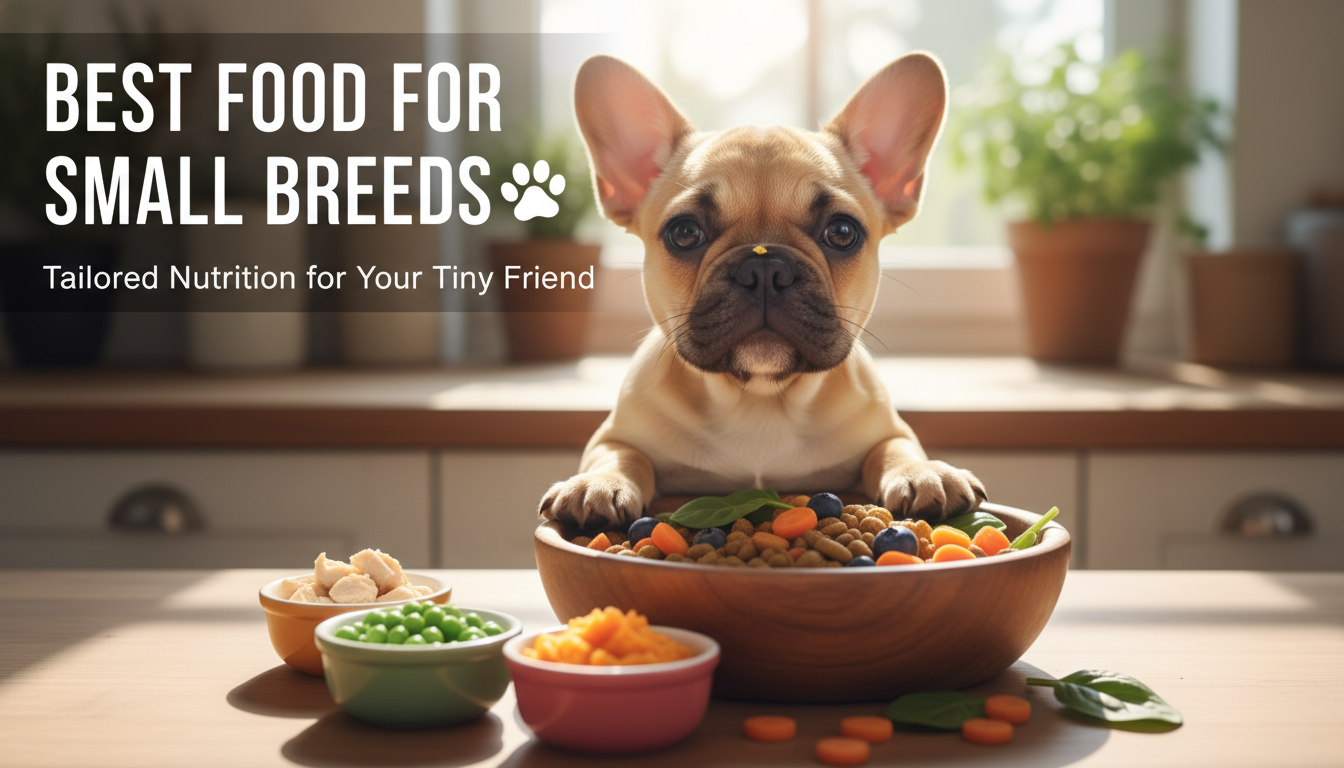
As a loving pet parent, you want the absolute best for your pint-sized companion. But when it comes to their diet, small dogs aren't just miniature versions of larger breeds; they possess a unique set of metabolic and physiological needs that demand specialized nutrition. Ignoring these differences can lead to health challenges down the line.
At YourPetCost.com, we understand this distinction. This comprehensive guide, crafted with a vet-approved perspective, introduces you to the "Tiny Tummy Diet." We'll delve into the precise nutritional requirements of small breeds, explore the essential ingredients that foster their health, and provide specific, veterinarian-recommended food options designed to help your small dog not just survive, but truly thrive.
Understanding Your Small Dog's Unique Nutritional Needs
Small dogs are metabolic marvels, burning through calories at a faster rate than their larger counterparts. This high metabolic rate, coupled with their often smaller stomach capacity, means they require a diet that is exceptionally calorie-dense and nutrient-rich. They need to obtain sufficient energy from smaller portions without overeating, making the quality of every bite paramount.
Kibble Size Matters (But Not as Much as You Think)
While nutritional content remains paramount, kibble size importance cannot be overlooked for small dogs. Opting for small kibble size is frequently recommended to prevent choking and facilitate easier chewing and digestion for tiny jaws. However, remember that even the perfectly sized kibble is only effective if its nutritional profile meets their specific demands.
Common Health Concerns Diet Can Address
Small dogs, despite their robust spirits, are predisposed to certain health issues that can often be managed or mitigated through an appropriate diet (keeping a Small Dog Health Tracker can help you monitor these changes over time). These include:
- Sensitive Stomachs and Food Allergies: Many small breeds suffer from digestive sensitivities or common food allergies (often to beef, chicken, or dairy), necessitating easily digestible formulas.
- Obesity: Due to their size, even a few extra pounds can lead to significant health problems, making weight management a critical dietary consideration.
- Pancreatitis: This painful inflammation, sometimes linked to high-fat foods, requires careful dietary fat control.
- Dental Problems: Small mouths are prone to overcrowding and periodontal disease. However, effective dental diets go beyond just kibble size; they employ specific textural characteristics to maximize tooth contact for mechanical cleaning, or incorporate chemical coatings like polyphosphates (e.g., sodium hexametaphosphate) that bind salivary calcium to actively reduce plaque and calculus formation.
- Bone Disorders: Conditions like patellar luxation are more common in small breeds, benefiting from joint-supporting nutrients.
- Mitral Valve Disease: This heart condition, particularly prevalent in older small dogs, can sometimes be supported with specific dietary adjustments under veterinary guidance.
Key Ingredients to Look For (And What to Avoid)
When selecting the best food for small dogs, understanding the ingredient list is critical.
Protein Power
High-quality protein should always be the first ingredient. Look for named animal proteins like real chicken, salmon, turkey, venison, or lamb. These are vital for maintaining strong muscles, supporting energy levels, and overall vitality in your active small dog, fueling them for their daily enrichment activities. For those seeking high protein small dog food, ensure the protein source is lean and digestible.
Healthy Fats & Omegas
Healthy fats are essential for energy and nutrient absorption. Omega-3 and omega-6 fatty acids, often derived from fish oil, are crucial for promoting healthy skin and a shiny coat, as well as supporting cognitive function. Additionally, L-carnitine is beneficial for supporting fat metabolism and healthy weight management.
Digestive & Immune Support
Ingredients like probiotics and prebiotics are increasingly included to foster a healthy digestive system. Recent studies have shown that the type of diet can significantly impact the diversity of the canine gut microbiome. For instance, dogs fed fresh or raw diets often exhibit greater microbial diversity compared to those on conventional dry processed diets, which emphasizes why high-quality kibble must be fortified with pre- and probiotics to bridge that gap.
Additionally, Antioxidants are vital. It is a little-known fact that small dogs generally exhibit a lower baseline antioxidant status compared to larger breeds, making their dietary intake of antioxidants even more crucial to combat oxidative stress and support the longer life expectancy often enjoyed by small breeds.
Joint Health
For breeds prone to joint issues, the inclusion of glucosamine and chondroitin can provide crucial support for cartilage health and mobility, particularly as they age.
Ingredients to Avoid
To maintain optimal health, veterinarians generally advise against foods containing:
- Generic "meat by-products" or "animal digest": These often indicate lower quality and inconsistent ingredients.
- Artificial Preservatives: Such as BHA, BHT, and ethoxyquin, which have been linked to health concerns.
- Artificial Colors and Flavors: These offer no nutritional value and can sometimes trigger sensitivities.
- Excessive Fillers: Ingredients like corn, wheat, or soy in large quantities can be difficult for sensitive stomachs to digest and offer minimal nutritional benefit. While grain-free food for small dogs is a popular trend, it's important to consult your vet, as grains are not inherently bad unless your dog has a specific allergy.
Top 7 Vet-Approved Foods for Small Dogs
Here are some top-tier, vet-recommended options designed to meet the diverse needs of small breeds:
- Best Overall Balanced Nutrition: Hill's Science Diet Adult Small & Mini Breed
- Why it's great: Formulated with easily digestible ingredients, high-quality protein, and antioxidants, it provides a well-rounded diet tailored for the metabolic needs of small dogs. The kibble size is also perfectly scaled.
- Best for Sensitive Stomachs: Purina Pro Plan Small Breed Adult Sensitive Skin & Stomach
- Why it's great: This specialized formula addresses best dog food for small breeds sensitive stomach by featuring salmon as the primary protein and easily digestible rice, along with probiotics to promote gut health and nutrient absorption.
- Best for Weight Management: Hill's Science Diet Small Breed Weight Management / Purina Pro Plan Small Breed Weight Management
- Why it's great: Both brands offer excellent options specifically designed with controlled calorie levels and L-carnitine to help small dogs maintain a healthy weight without sacrificing essential nutrients.
- Best for Picky Eaters (Fresh/Human-Grade): JustFoodForDogs Pantry Fresh / The Farmer's Dog
- Why it's great: For those searching for wet dog food for small picky eaters or premium human grade dog food small breed, these options offer highly palatable, fresh, and often gently cooked meals made with ingredients fit for human consumption, providing exceptional nutrition and taste.
- Best Budget-Friendly Option: IAMS Proactive Health Adult Small Breed / Purina One Plus Small Breed
- Why it's great: These readily available options deliver solid nutrition at a more accessible price point. They provide a balance of quality protein, essential vitamins, and minerals in a small kibble, making them a reliable choice. (See how this choice impacts your small dog costs per year.)
- Best for Joint Support: Merrick Healthy Grains Small Breed
- Why it's great: Recognizing the susceptibility of small breeds to joint issues, this formula includes glucosamine and chondroitin. It's an excellent choice for supporting mobility, especially for those considering senior small dog food which often requires extra joint care.
- Best for Small Breed Puppies: Hill's Science Diet Puppy Small Breed & Mini Breed
- Why it's great: Based on numerous small breed puppy food reviews, this formula offers precise nutrition for developing puppies. It contains DHA from fish oil for brain and eye development, and a balanced mineral content for strong bones and teeth, all in a tiny kibble.
Feeding Guidelines and Best Practices
Selecting the right food is only half the battle; proper feeding practices are equally crucial.
- Portion Control is Crucial: Small dogs can quickly become overweight. Always follow the feeding guidelines on the food packaging, adjusting as needed based on your dog's activity level and consulting your veterinarian. Using a Small Dog Feeding Planner can be a lifesaver for tracking calories. Even slight overfeeding can lead to obesity.
- Frequency of Feeding: Due to their high metabolism and tiny stomachs, it's often recommended to feed small dogs two to three smaller meals per day rather than one large one.
- Behavior & Routine: Consistent feeding times also aid in housebreaking. If diet changes cause accidents, remember that scolding your small dog during potty training is rarely effective; stick to the schedule instead. You can also reserve a portion of their daily kibble for training tips and sessions to avoid overfeeding with treats.
- Transitioning Foods: When switching to a new food, do so gradually over 7-10 days, mixing increasing amounts of the new food with decreasing amounts of the old. This helps prevent digestive upset.
- Consult Your Vet: Always remember that personalized advice from a veterinarian is the best approach, especially if your dog has existing health conditions, allergies, or unique dietary needs. Your vet can provide tailored recommendations to ensure optimal health.
Conclusion
Choosing the best food for small dogs is a foundational step in ensuring their long-term health and happiness. By understanding their specialized nutritional requirements, prioritizing high-quality ingredients, and selecting vet-approved formulas that address common health concerns, you empower your tiny companion to live their best life. The "Tiny Tummy Diet" focuses on nutrient density, appropriate kibble size, and targeted support for their unique physiology, setting the stage for a vibrant future.
Proper nutrition is a powerful investment in your small dog's well-being, contributing significantly to a happy, healthy, and long life. For a comprehensive roadmap on managing the economic side of pet parenthood, be sure to check out our Small Dog Financial Survival Guide.
For more detailed reviews and personalized recommendations tailored to your dog's specific needs, visit YourPetCost.com.
Frequently Asked Questions About Small Dog Nutrition
Why do small dogs have unique nutritional needs?
Small dogs have a high metabolic rate and smaller stomach capacity, requiring a calorie-dense and nutrient-rich diet to obtain sufficient energy from smaller portions. This ensures they thrive without overeating.
What are the key ingredients to look for in small dog food?
Look for high-quality named animal proteins (chicken, salmon, lamb), healthy fats (especially Omega-3 and Omega-6 from fish oil), probiotics and prebiotics for digestion, antioxidants for immunity, and for joint support, glucosamine and chondroitin.
What ingredients should be avoided in small dog food?
Veterinarians generally advise against generic "meat by-products", artificial preservatives (like BHA, BHT, ethoxyquin), artificial colors and flavors, and excessive fillers such as corn, wheat, or soy, which can be hard for sensitive stomachs to digest.
How often should I feed my small dog?
Due to their high metabolism and tiny stomachs, it's often recommended to feed small dogs two to three smaller meals per day rather than one large one. This helps maintain stable energy levels and prevents digestive upset.
Is kibble size important for small dogs?
Yes, small kibble size is frequently recommended to prevent choking and facilitate easier chewing and digestion for tiny jaws. However, remember that even perfectly sized kibble is only effective if its nutritional profile meets their specific demands.
Loading chat...