Tiny Tummies, Big Needs: The Ultimate Toy Poodle Feeding Guide for a Long, Healthy Life!
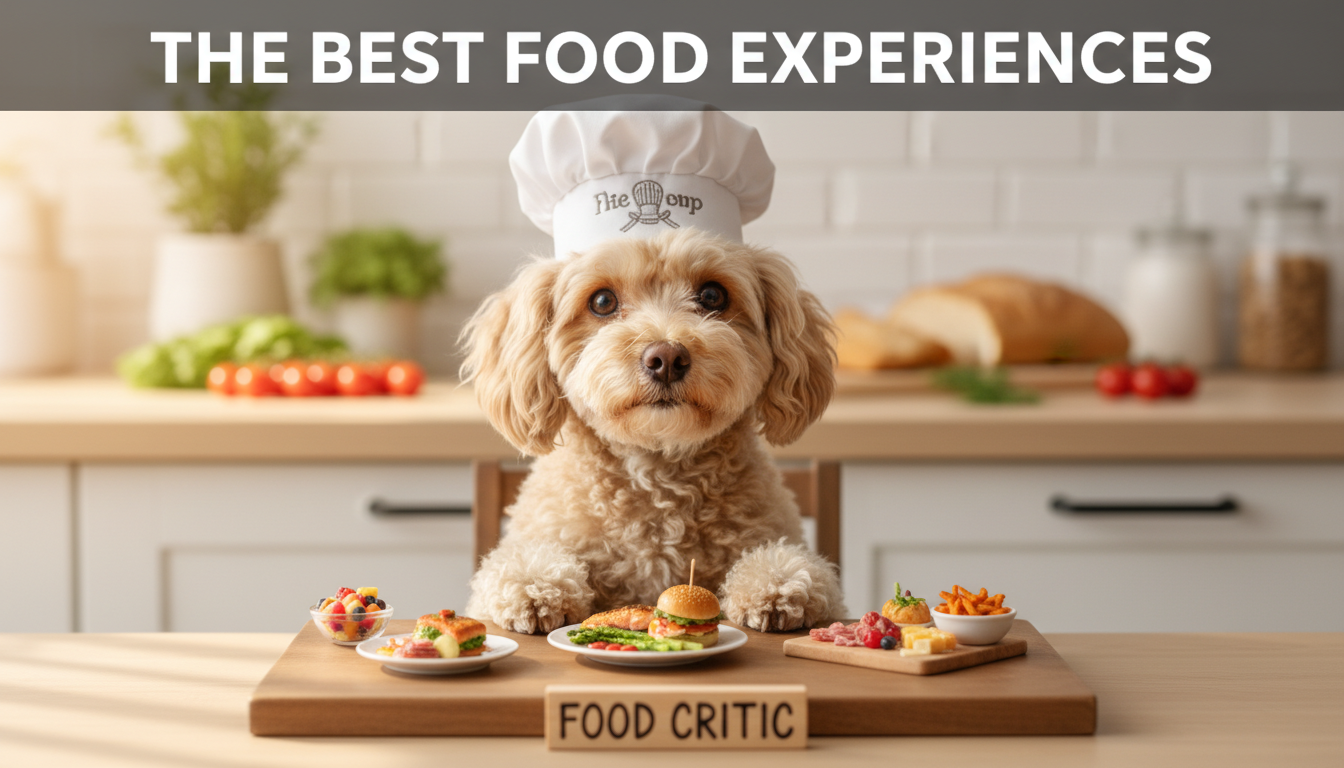
For Toy Poodle food options, prioritize AAFCO-approved "Small Breed" or "Toy Breed" formulas rich in high-quality animal protein, healthy fats (omega-3/6), and smart carbohydrates. Choose a small kibble size to support dental health. Adjust feeding frequency and portions based on their life stage (puppy, adult, senior) and activity level to manage their high metabolism and prevent weight gain.
- Opt for "Small Breed" or "Toy Breed" specific, AAFCO-approved formulas with small kibble for dental health.
- Prioritize high-quality animal protein, omega-rich fats, and easily digestible carbohydrates to meet their high metabolism.
- Adjust feeding frequency and portions according to their life stage (puppy, adult, senior) to prevent hypoglycemia or weight gain.
- Use diet to address common small dog concerns like dental disease, joint health, and sensitive stomachs with appropriate ingredients.
Hello, fellow Toy Poodle parents! If you're anything like us at YourPetCost.com, you know that these charming, intelligent, and famously curly companions steal our hearts in an instant. But behind that elegant stature and playful spirit lies a unique set of nutritional needs that, when met, can truly unlock a lifetime of health and happiness for your beloved pet.
It’s easy to assume that because they're small, Toy Poodles don't require much thought when it comes to their diet or that they have minimal annual costs. However, nothing could be further from the truth! Your tiny Poodle's diet profoundly impacts everything from their energy levels and coat shine to their susceptibility to common health issues. Proper nutrition is also your first line of defense against the hidden costs of small dog ownership, such as unexpected vet bills.
In this comprehensive guide, we'll dive deep into the world of Toy Poodle food options, helping you understand their specific requirements and choose the best Toy Poodle dog food to ensure they thrive.
Understanding the Toy Poodle's Unique Nutritional Landscape
Toy Poodles aren't just smaller versions of larger dogs; they have distinct physiological differences that dictate their dietary needs.
The Fast Metabolism Myth & Reality
You might notice your Toy Poodle seems to have endless energy, and there's a good reason for that! Toy Poodles have a naturally high metabolism, meaning they burn energy quickly. This translates to needing more calories *per pound* than larger breeds. This needs particular attention during seasonal changes; read our guide on Small Dog Winter Care to see how cold weather affects calorie burning.
However, their small size also makes them prone to overfeeding. A tiny extra treat or slightly oversized portion can quickly lead to weight gain.
Deep Research Fact: Studies suggest that small breeds like Toy Poodles can burn calories up to 2-3 times faster per pound of body weight compared to giant breeds, making calorie density crucial.
Key takeaway: Focus on nutrient-dense foods and precise Toy Poodle feeding guide portion control. An average 4kg Toy Poodle with moderate activity might need around 150-200 calories per day, but this can vary significantly.
Life Stage Specifics
A Toy Poodle’s nutritional journey evolves with them, from playful puppy to dignified senior.
1. Toy Poodle Puppies: Preventing Hypoglycemia
- Vulnerability: Toy Poodle puppies are particularly susceptible to hypoglycemia (low blood sugar) if they miss meals or don't eat enough. Their small bodies have limited energy reserves.
- Feeding Frequency: To keep their blood sugar stable, puppies generally require 3-4 small, frequent meals per day.
- Key Nutrients: Look for Toy Poodle puppy food rich in DHA, an omega-3 fatty acid crucial for brain and eye development, and high-quality proteins to support rapid growth.
2. Adult Toy Poodles: Maintaining Ideal Weight and Energy
- Balance: Adult Toy Poodles need a balanced diet that supports their energy levels without causing weight gain.
- Feeding Frequency: Typically, 2-3 meals per day are ideal.
- Focus: Maintain a healthy weight to prevent strain on joints and provide energy for their active, intelligent minds. You can further burn off this energy with Small Dog Enrichment Ideas that challenge them mentally and physically.
3. Senior Toy Poodles: Supporting Aging Bodies
- Changes: As Toy Poodles age, their metabolism can slow down, and they may become less active. They might also face digestive sensitivities or joint discomfort.
- Feeding Frequency: Two smaller meals a day can be easier on their digestion and maintain consistent energy.
- Nutritional Support: Diets for seniors often include ingredients that support joint health (like glucosamine and chondroitin) and are highly digestible.
Core Nutritional Components for Toy Poodles
Understanding the building blocks of a healthy diet is paramount for your Toy Poodle's long-term well-being.
Protein Power
- Importance: High-quality protein is essential for building and maintaining lean muscle mass, supporting organ function, and providing energy.
- Sources: Always look for a reputable commercial food that lists a high-quality animal-based protein (e.g., chicken, lamb, turkey, salmon, beef) as the first ingredient. This ensures your Toy Poodle gets the necessary amino acids.
Fats for Fuel & Shine
- Energy and Health: Healthy fats are a concentrated source of energy and play a critical role in nutrient absorption and overall cellular function.
- Skin & Coat: Crucially, omega-3 and omega-6 fatty acids (found in fish oil, flaxseed, and chicken fat) are vital for maintaining the Toy Poodle's unique, dense, curly coat, promoting a healthy skin barrier, and reducing inflammation. They also contribute to joint and brain health.
Smart Carbohydrates
- Sustainable Energy: Wholesome carbohydrates provide steady energy for your active Poodle.
- Good Sources: Look for ingredients like sweet potatoes, brown rice, oatmeal, or quinoa. These offer sustained energy and essential fiber for digestive health.
- Avoid Fillers: Try to avoid excessive "fillers" such as corn, soy, or wheat. While not inherently bad for all dogs, they offer less nutritional value and can sometimes be triggers for sensitive stomachs or allergies. If considering a grain-free diet, always discuss it with your veterinarian first, as some studies suggest potential links to heart issues in certain breeds.
Vitamins & Minerals
- Overall Health: A balanced diet should provide all the necessary vitamins and minerals for strong bones, a robust immune system, and proper bodily functions.
- Antioxidants: Ingredients rich in antioxidants (like cranberries, blueberries, spinach) can help combat cellular damage and support overall vitality.
Addressing Common Small Dog Health Concerns Through Diet
One of the most powerful ways to support your Toy Poodle's health is through a targeted diet. Many small dog-specific issues can be mitigated or managed with the right nutrition.
Dental Defense Against Plaque & Tartar
- The Problem: Toy Poodles are highly prone to dental disease due to their small mouths and crowded teeth, which easily accumulate plaque and tartar. This can lead to pain, infection, and expensive procedures. Learning How to Slash Small Dog Dental Bills starts with preventative diet choices.
- Deep Research Fact: Indeed, statistics show that over 80% of dogs develop some form of dental disease by age three, and small breeds are disproportionately affected, often experiencing more severe issues earlier in life.
- Dietary Role:
- Small Kibble: Choosing dog food with a smaller kibble size is essential. It's easier for their tiny jaws to chew, which can help mechanically scrape plaque.
- Dental-Focused Formulas: Some commercial foods are specifically designed to reduce plaque buildup. These often have a unique kibble texture or contain ingredients like polyphosphates.
- Crunchy Treats & Chews: Incorporating dental chews or appropriate crunchy treats (in moderation) can also support oral hygiene. This is a key part of a Toy Poodle dental health diet.
Joint Health & Mobility (Fragile Bones)
- Predisposition: Toy Poodles can be prone to musculoskeletal issues like Patellar Luxation (slipping kneecap) and Legg-Calvé-Perthes Disease (hip joint degeneration). Owners should be vigilant for silent health symptoms common in small breeds (similar to Yorkies), as dogs often hide pain well.
- Deep Research Fact: For instance, a study in the Journal of the American Veterinary Medical Association found that Patellar Luxation, common in Toy Poodles, affects up to 7% of all dogs, with small breeds having a significantly higher predisposition.
- Nutritional Support:
- Supplements: Look for ingredients like glucosamine and chondroitin in their food or as supplements, which support cartilage health.
- Omega-3s: The anti-inflammatory properties of omega-3 fatty acids can also help reduce joint pain.
- Weight Management: Maintaining an ideal weight is critical! Every extra pound puts significant strain on their small, delicate joints, exacerbating conditions like Patellar Luxation.
Calming Anxiety Through the Gut (Digestive Issues)
- Sensitive Stomachs: Many Toy Poodles have sensitive stomachs or may develop allergies, which can manifest as digestive upset (vomiting, diarrhea) or itchy skin. If you’re looking for food for Toy Poodle sensitive stomach, diet is your first line of defense. For a deeper dive, read about The Tiny Tummy Diet: 7 Vet-Approved Foods Small Dogs Need to Thrive.
- Gut Health:
- Probiotics & Prebiotics: Foods containing prebiotics (like chicory root) and probiotics can support a healthy gut microbiome, improving digestion and nutrient absorption.
- Limited Ingredient Diets (LIDs): For suspected food sensitivities or allergies, a limited ingredient diet can help identify and avoid triggers. These diets typically feature a single novel protein source and minimal other ingredients.
- High Digestibility: Always opt for high-quality, easily digestible ingredients to minimize digestive upset.
Skin & Coat Radiance
- The Signature Poodle Coat: Toy Poodles have a dense, single layer of curly hair that requires specific nutrition to stay healthy and lustrous.
- Allergy Management: If your Poodle has skin allergies or sensitivities, a diet rich in omega-3 and omega-6 fatty acids (especially from sources like salmon or flaxseed) is paramount. These fats help maintain the skin barrier and reduce inflammation, often alleviating itchiness and improving coat quality.
Choosing the Best Food for Your Toy Poodle
Navigating the pet food aisle can be overwhelming! Here's how to make informed choices.
Commercial Food Options
- AAFCO-Approved: Always select dog food that proudly states it meets the nutritional standards set by the Association of American Feed Control Officials (AAFCO) for your Toy Poodle's specific life stage (puppy, adult, or senior). This ensures the food is complete and balanced.
- "Small Breed" or "Toy Breed" Formulas: Many reputable brands offer formulas specifically designed for small or toy breeds. These often feature smaller kibble, higher caloric density per serving, and nutrient profiles tailored to their unique needs. Examples include Royal Canin Poodle-specific formulas, Hill's Science Diet Small & Mini, and Purina Pro Plan Toy Breed.
- Wet vs. Dry vs. Fresh/Raw:
- Dry Kibble: Most popular, can aid dental health (especially smaller kibble), and is convenient.
- Wet Food: Hydrating and highly palatable, good for picky eaters or those needing extra moisture, but can be less beneficial for dental health.
- Fresh/Raw Diets: Gaining popularity for their human-grade ingredients and customized meal plans (e.g., The Farmer's Dog, Ollie, Nom Nom). While offering benefits, these non-traditional diets require careful balancing and should always be discussed with your veterinarian to ensure they are nutritionally complete and safe for your Toy Poodle. If considering homemade Toy Poodle food recipes, professional veterinary nutritional guidance is absolutely critical.
Reading Labels Like a Pro
- First Ingredient: Look for a named animal protein (e.g., "chicken meal," not "meat meal") as the first ingredient.
- Avoid Undesirable Additives: Steer clear of artificial colors, flavors, and preservatives that offer no nutritional value.
- Ingredient List Order: Ingredients are listed by weight. The first few ingredients make up the bulk of the food.
Feeding Schedule & Portion Control
- Consistent Schedule: Establish a regular feeding schedule (as per life stage guidelines above) to help with digestion and house training. Using a Small Dog Feeding Planner can help you stay organized.
- House Training Tip: Consistent feeding is key to predicting potty times. Be sure to check our Small Dog Training Tips and learn why scolding small dogs for potty accidents is counterproductive.
- Precise Portions: Use a measuring cup or scale to ensure accurate portions. Don't eyeball it!
- Calorie Calculators & Vet Guidance: Use online calorie calculators for small breeds as a starting point, but always confirm with your vet. They can provide personalized guidance based on your Toy Poodle's exact size, activity level, and neuter status.
- The "10% Treat Rule": Treats should never exceed 10% of your Toy Poodle's daily caloric intake. It's easy for these tiny dogs to pack on pounds from seemingly small treat rewards.
When to Consult Your Veterinarian
Your veterinarian is your best partner in your Toy Poodle's nutritional journey. Keeping a log using a Small Dog Health Tracker can provide your vet with valuable data during visits.
Always Consult
Any significant dietary changes, especially if your Poodle has existing health conditions, should always be discussed with your vet. This includes switching brands, transitioning to a specialized diet, or exploring fresh/raw options.
Signs Your Toy Poodle's Diet Might Need Adjustment:
- Digestive upset (chronic diarrhea, vomiting, excessive gas)
- Dull, dry, or itchy coat
- Changes in energy levels (lethargy or excessive restlessness)
- Sudden weight gain or loss
- Changes in appetite or thirst
- Bad breath (beyond typical doggy breath)
Conclusion: A Tailored Diet for a Happier, Healthier Toy Poodle
Your Toy Poodle's diet is more than just fuel; it's a foundational pillar of their health, vitality, and longevity. By understanding their unique Toy Poodle nutrition requirements and making informed choices about their food, you're investing in a future filled with playful romps, gleaming coats, and many happy years together.
Be proactive, read labels carefully, and always consult your veterinarian to ensure your beloved Toy Poodle receives the very best. Their tiny tummies may have big needs, but with your thoughtful care, they'll thrive!
Worried About Unexpected Costs?
Vet bills, high-quality food, and grooming can add up fast. Don't let finances compromise your Poodle's health.
Get The Small Dog Financial Survival Guide (Ebook)What are your go-to Toy Poodle food options? Share your experiences, tips, and favorite brands in the comments below – we'd love to hear from other Toy Poodle parents!
Loading chat...